River Cruising Safety
Practical, calm answers on safety, health, water levels and accessibility — so you can simply enjoy the river.
Plan a Worry-Free River CruiseSafety on a River Cruise, Without the Drama
River cruising is one of the gentlest ways to travel. You unpack once, the ship stays close to land, and every day ends in a new town. Still, a careful traveler wants to know what happens if the river runs low, if someone falls ill onboard, or if a gangway is steep. River Cruising Safety answers those questions plainly, without scare headlines or made-up numbers.
We are not a cruise line and we do not sell fear. This site explains how river ships are built and operated, what the crew is trained to do, how the lines deal with high and low water, where onboard medical care stops, and how to prepare so your trip is relaxed rather than stressful. Where an official source is the best answer — the U.S. State Department or the CDC — we point you straight to it.
Why river cruising feels different
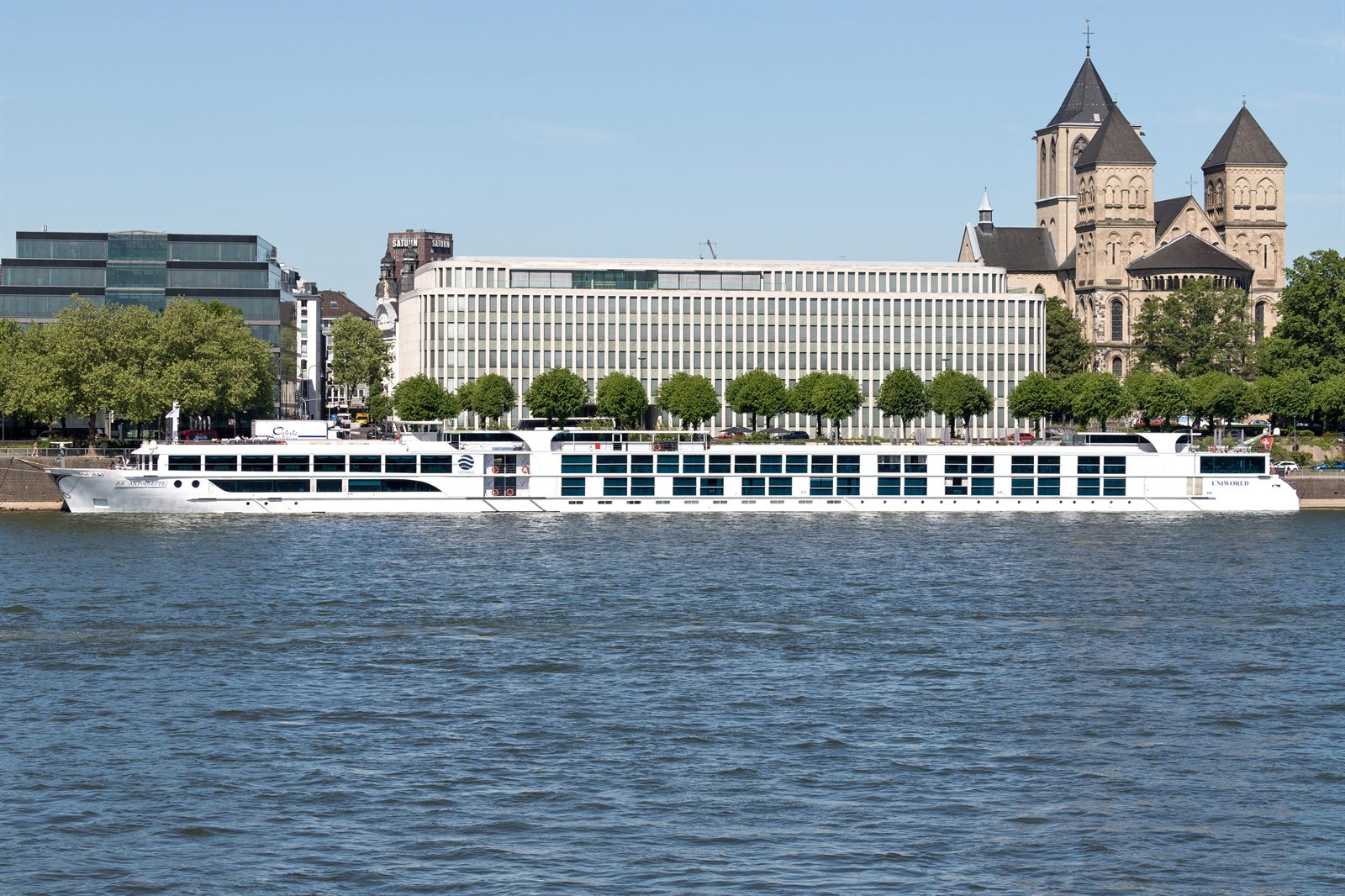
On an ocean cruise you can be a day or more from port. On a river cruise the bank is usually a few hundred feet away, and the ship ties up in or near town centers almost every day. Ships are small — European river ships typically carry somewhere between about 100 and 190 guests — so the crew knows faces quickly and there is no crowd to get lost in.
That does not mean nothing can go wrong. It means most problems are about logistics — water levels, medical care ashore, uneven streets — rather than the open-sea risks people imagine.

Start Here
Is River Cruising Safe?
Close to shore, small ships, safety briefings, life jackets in every cabin and crews trained for emergencies. What that means in practice.
High & Low Water
Why the Rhine, Danube and Elbe sometimes run too high or too low, and what lines do: ship swaps, coach transfers, changed itineraries.
Health & Medical
What onboard medical help can and cannot do, packing medications, and planning around health conditions.
Accessibility
Gangways, stairs, elevators, cobblestones and walking tours — a frank look for travelers with limited mobility, plus a link to our sister site Accessible River Cruises.
Travel Insurance
Why medical and evacuation cover matters overseas, and which questions to ask before you buy a policy.
Safety Checklist
A printable before-you-go and onboard checklist: documents, medications, contacts and daily habits.
Five Things Experienced River Cruisers Do
- Buy travel insurance soon after booking, with medical and medical-evacuation cover, and read what it says about itinerary changes.
- Pack medications in a carry-on, in original containers, with enough extra for a few days of delay.
- Tell the line about mobility or medical needs at booking, not at the gangway. Ships and excursions can only plan for what they know.
- Check official advice for each country on the itinerary on the State Department travel advisories page and health notices on CDC Travelers’ Health.
- Arrive a day early if you are flying in, so a delayed flight does not mean chasing the ship.

What We Will Not Do
Safety sites often try to frighten readers into clicking. We won’t. You will not find invented incident counts, rankings of “most dangerous rivers” or worst-case stories presented as normal. When a fact depends on the cruise line, the year or the river, we say so and tell you who to ask. And because we are not doctors, nothing here is medical advice — talk to your own physician about your health and travel.
Policies vary by line. How a line handles low water, refunds, wheelchairs or medical disembarkation is set by that line and can change. Our cruise advisors at Mister Cruise can check the current policy for the exact ship and date you are considering before you book.
A Word on Rivers Beyond Europe
Most of this guide talks about Europe’s big cruising rivers — Rhine, Main, Moselle, Danube, Elbe, Seine, Rhône and Douro — because that is where most river cruisers sail. American river cruises on the Mississippi, Columbia and Snake rivers or the Hudson follow U.S. rules and keep you within reach of U.S. hospitals along the way. Expedition rivers such as the Amazon or Mekong are a different case: medical facilities can be far away, so insurance with evacuation cover matters even more.
Who Is Behind This Site
River Cruising Safety is part of the Smart Traveler network, led by Mister Cruise. He has sold travel since 1972 and worked full-time in the industry since 1977. He has sold or originated more than $500 million in cruises and has trained more than 500 travel agents.
If you have a safety, health or accessibility question about a specific ship, our cruise advisors at Mister Cruise will look into it personally before you book — and book everything for you. Meet Mister Cruise →
Ask Before You Book
Tell us your dates, your river and any health or mobility needs. Our cruise advisors at Mister Cruise will suggest ships and itineraries that fit — and check the line’s current water-level and access policies.
Get Free River Cruise Advice