River Cruise Accessibility
Gangways, stairs, elevators and cobblestones — what to know before you book.
Ask About Accessible OptionsA Frank Look at Accessibility
River cruising can be wonderful for travelers with limited mobility: no airports between cities, no repacking, and towns delivered to the door. But river ships and old European towns were not designed with wheelchairs in mind, and honesty before booking prevents disappointment later.
Gangways
The gangway between ship and shore changes with every port. Its angle depends on the height of the quay and the river level that day, so a gentle ramp one morning can be a steep slope the next. Crew assist on the gangway, but some days a wheelchair crossing may not be practical.
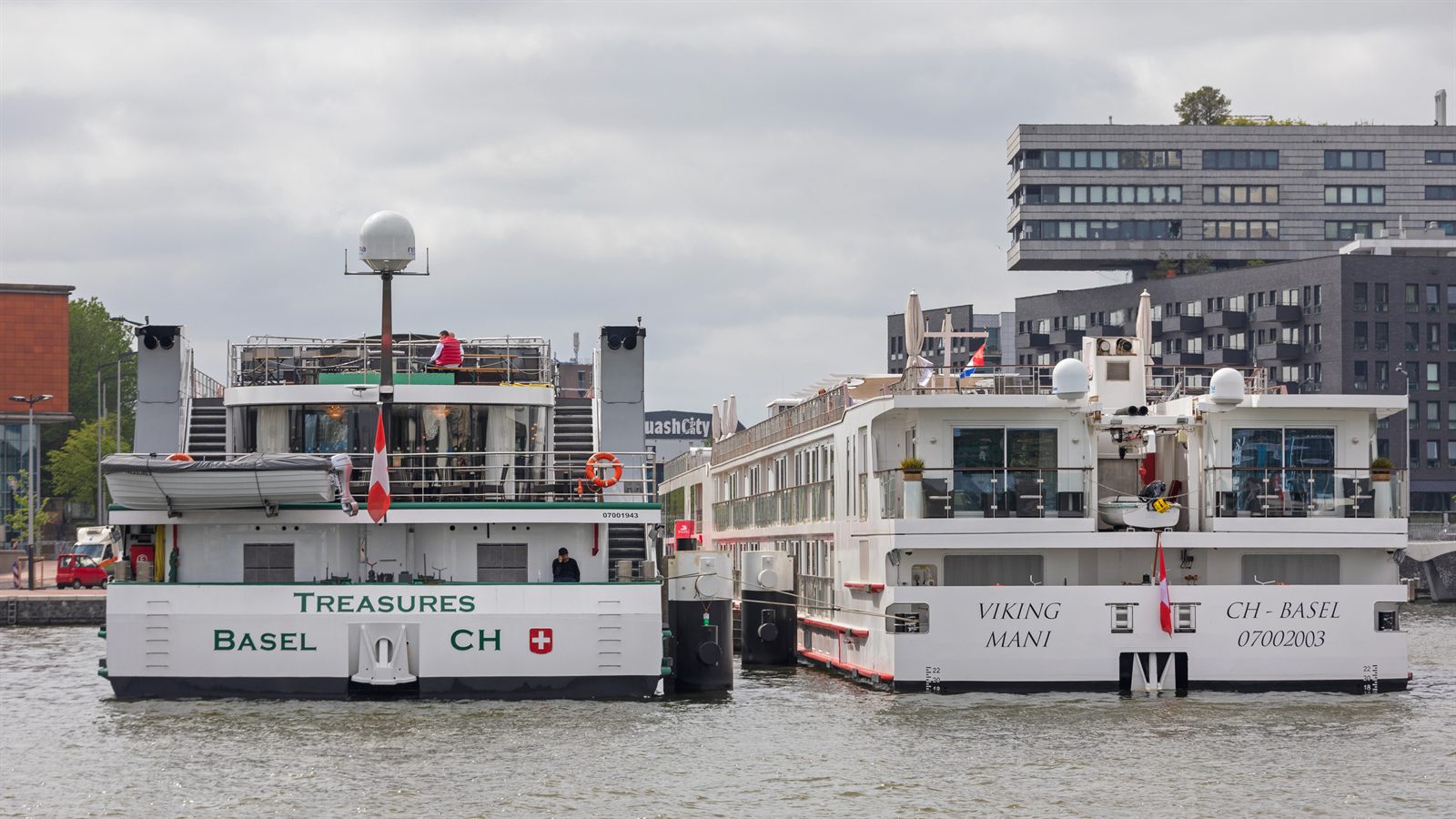
Rafting
In busy ports ships often moor two or three abreast. Guests on the outer ship cross through neighboring ships to reach the quay, which can involve steps.

Onboard
- Stairs and elevators — many newer ships have an elevator between main decks, but it may not reach the sun deck. Some older ships have stairs only.
- Accessible cabins — few ships offer cabins designed for wheelchair users, and they book up early.
- Doorways and bathrooms — widths, shower thresholds and grab rails vary; ask for measurements if they matter.
- Sun deck furniture — may be folded away and the deck closed when the ship passes under low bridges.
Ashore
Cobblestones
Many historic centers are paved with uneven stones that are hard on wheelchairs, walkers and tired knees.
Hills and steps
Castles, abbeys and old towns often sit uphill. Look for excursions marked “gentle” or with coach access.
Walking groups
Many lines offer slower-paced groups or audio headsets so you can hang back and still hear the guide.
Docking distance
Some ships dock a short walk from the center; others need a shuttle. Ask where your ship docks in each port.
Before You Book
- Tell the line about any mobility aid, oxygen or medical equipment at the time of booking.
- Ask whether the ship has an elevator, which decks it serves and whether accessible cabins exist.
- Ask about the line’s policy on wheelchairs, scooters and traveling companions.
- Read excursion activity levels and ask about alternatives for strenuous days.
- Consider a U.S. river cruise if you prefer U.S. accessibility standards and modern docks.
For a deeper look at choosing accessible ships and itineraries, see Accessible River Cruises.

Accessibility Questions
Can I take a wheelchair on a river cruise?
Often yes, but plan carefully. Few river ships have fully accessible cabins, doorways can be narrow, and getting ashore depends on the gangway and the quay. Many lines ask that wheelchair users travel with a companion who can assist. Discuss your specific chair and needs with the line before booking.
Do river ships have elevators?
Many newer European river ships have an elevator or stair lift between the main passenger decks, but it often does not reach the top sun deck. Older and smaller ships may have none. Check the deck plan for the exact ship.
What is rafting?
In busy ports, ships often moor side by side. To get ashore you may need to walk through the lobby of one or more neighboring ships, sometimes with steps between them.
Find a Ship That Works for You
Share your mobility needs with our cruise advisors at Mister Cruise and we will check ships, cabins and excursions before you commit.
Ask About Accessible Options