Is River Cruising Safe?
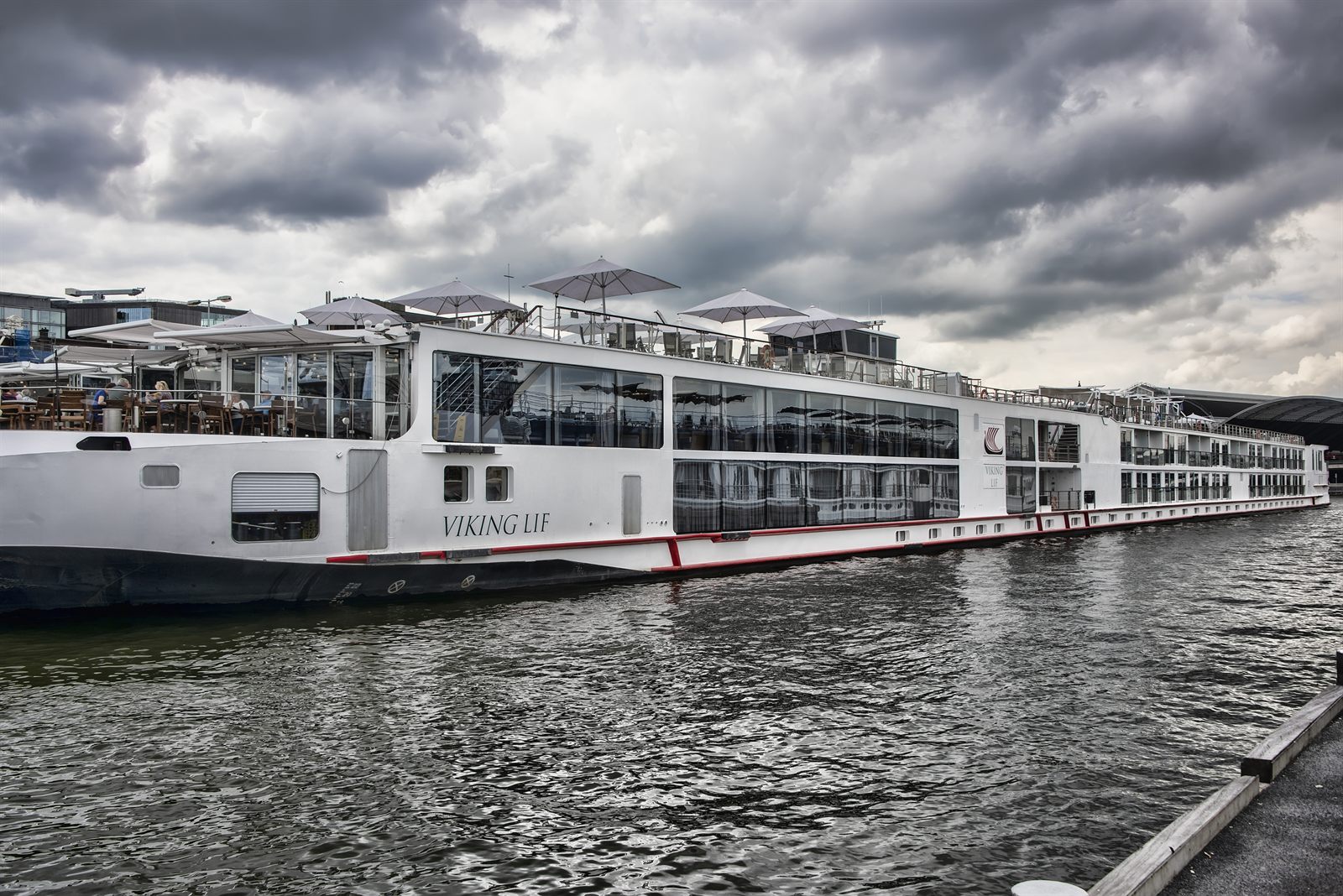
Small ships, sheltered water and a riverbank that is never far away.
Plan a Worry-Free River CruiseThe Short Answer
For most travelers, yes — a river cruise is a very calm and well-supervised way to see Europe or America. The reasons are simple and structural: the ship is small, it travels on sheltered inland water, it is rarely far from either bank, and it stops in towns with roads, doctors and pharmacies.
Always near shore
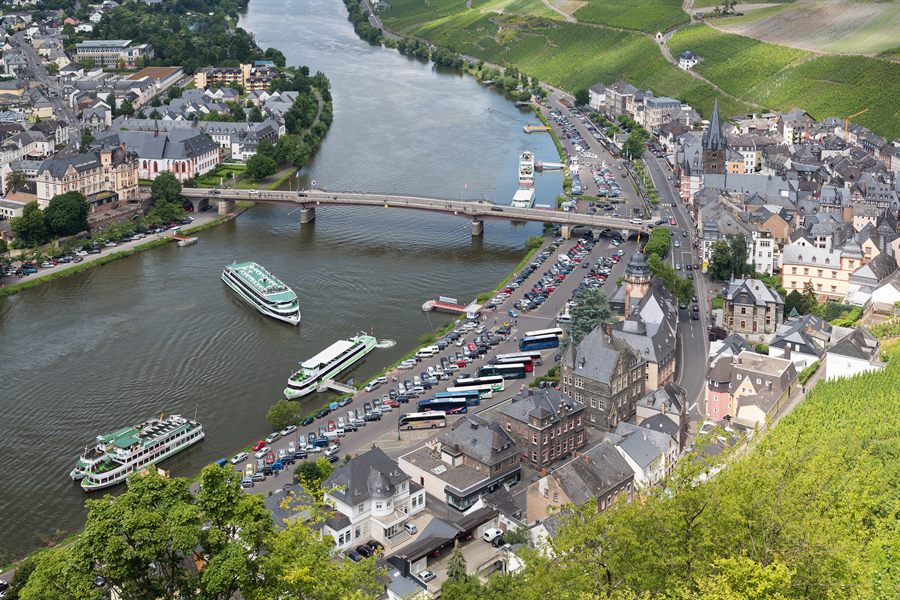
Inland rivers are narrow compared with the sea. On the Rhine, Danube or Moselle the bank is usually close enough to see people walking along it. If a ship has a technical problem, it can be moved to the bank or a quay, and guests can be met by coach. There is no open-sea crossing, no long run between ports and very little motion — seasickness is rarely a topic.
Small Ships, Known Faces
Because European river ships are limited in size by locks and bridges, a typical vessel carries roughly 100 to 190 guests and a crew who quickly learn names. That matters for safety in quiet ways: a guest who does not appear at breakfast gets noticed, a fall on the stairs gets seen, and the cruise director can count everyone back aboard at the end of an excursion.
Safety Briefings and Equipment
- Life jackets for every guest, normally in your cabin, plus extras for crew and children where children sail.
- A safety briefing at the start of the cruise explaining alarms, assembly points and how to wear a life jacket.
- Emergency instructions posted in each cabin, usually on the back of the door.
- Fire detection and suppression systems and trained crew assigned emergency roles.
- Gangway staff who check guests off and on in each port and assist on steep or slippery gangways.
Crew Training
River ships operating in Europe are regulated by the authorities of the country where they are registered and by the rules governing each river, and their nautical crew must hold the appropriate qualifications. Hotel staff are also assigned emergency duties and drilled on them. Specific training requirements differ by flag and river, so we don’t quote hours or certificates here — but every reputable line can tell you how its crew is trained if you ask.
Things That Actually Affect River Trips
Water levels
Too much or too little water can stop sailing on part of a river. See high and low water.
Medical needs
Ships carry first-aid supplies, not a hospital. See health and medical.
Mobility
Gangways, stairs and cobblestones are the real obstacles. See accessibility.
Everyday travel risks
Pickpockets in tourist hubs, trips and falls on uneven streets, and summer heat on walking tours.
Before you go, check the U.S. State Department travel advisory for every country on your itinerary and consider enrolling in the Smart Traveler Enrollment Program (STEP) so the embassy can reach you.
Safety Questions, Answered
Do river cruise ships have life jackets?
Yes. Life jackets are provided for every guest, normally stored in the cabin, and the crew shows you where they are and how to wear them at the start of the cruise.
Is there a safety drill on a river cruise?
Lines hold a safety briefing at the start of the voyage, usually on the first day. The format varies — some gather guests in the lounge, others combine a talk with a demonstration — but attending is expected.
Can a river ship sink?
Serious accidents on river ships are rare, and the setting helps: rivers are relatively shallow, the banks are close and emergency services can reach most stretches by road. Ships are also divided into watertight compartments. No form of travel is risk-free, which is why the briefing and your own common sense still matter.
Is it safe to walk around port towns?
Most river cruise towns are small, walkable and used to visitors. The usual precautions apply: watch for pickpockets in busy squares and on public transport, keep your passport secure, and carry the ship’s contact details and docking location.
Choose a Ship You Feel Good About
Our cruise advisors at Mister Cruise can compare ships, cabin locations and excursion styles that suit your comfort level.
Get Free River Cruise Advice